Updated Resources for Using Gardens to Teach

Updated Resources for Using Gardens to Teach

Are you using gardens to teach?

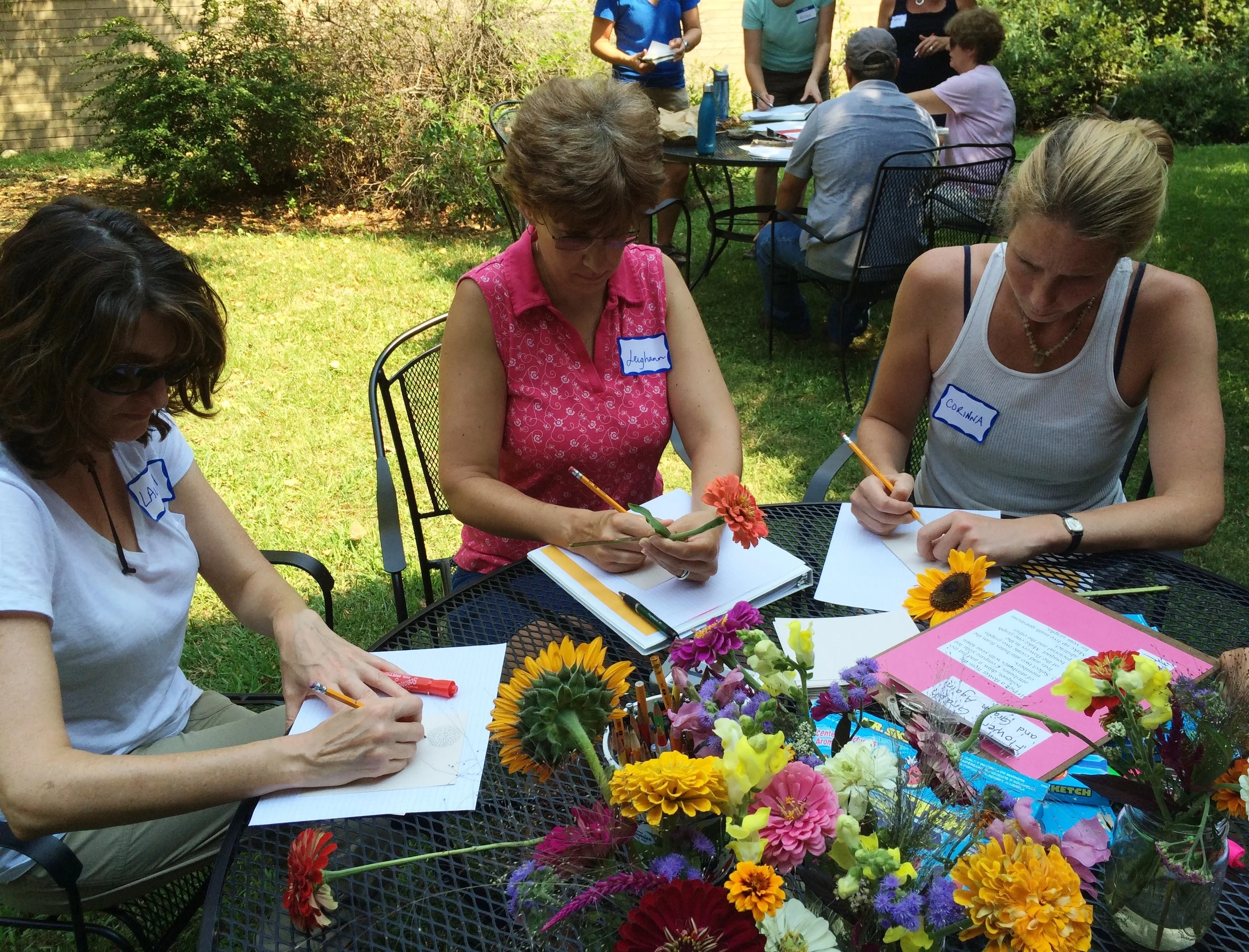
During our Summer Institute: Using Gardens to Teach workshop we often refer to different resources to help teachers and other educators incorporate garden learning into their curriculum. Below are some of our favorite resources.

Help PFP's Education Department Grow its Resource Library

Support PFP’s Education Department!

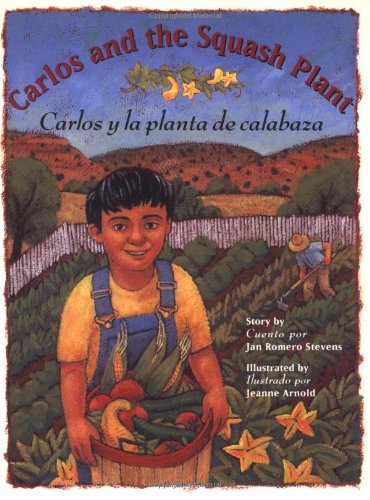
As we continue to expand our education programs, we are seeking to add a more robust literacy component. For this reason, we have created a wish list on amazon.com that is filled with children’s literature that connects to agriculture, gardening, nutrition, and cooking. Also on the wish list are curricular resources and program materials that will be useful to us as we develop and refine our offerings. Please consider making an end of the year donation to PFP in the form of a wish list gift for our education programs. Below is a selection of beautiful books from the list. You can order them here.

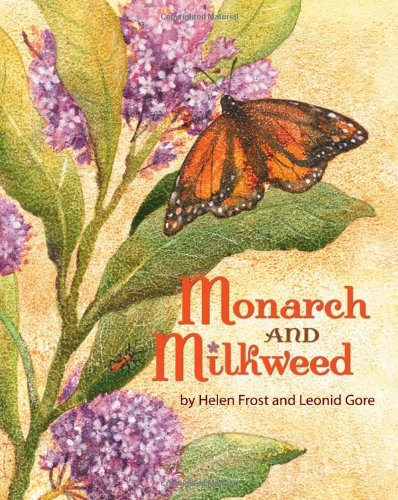
Monarch and Milkweed
$13.60
By Helen Frost
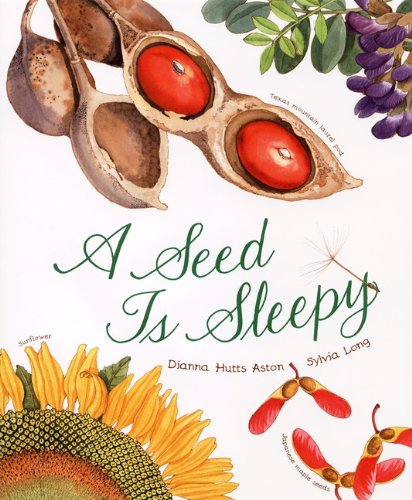
A Seed Is Sleepy
$12.77
By Dianna Hutts Aston
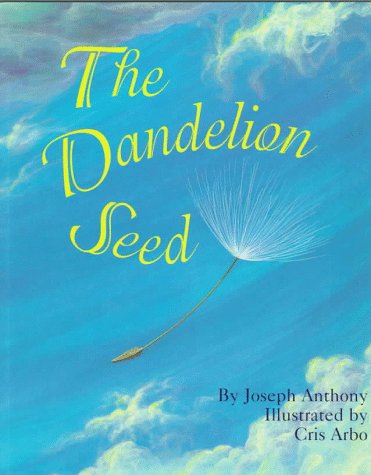
The Dandelion Seed
$8.95
By Joseph P. Anthony, Cris Arbo
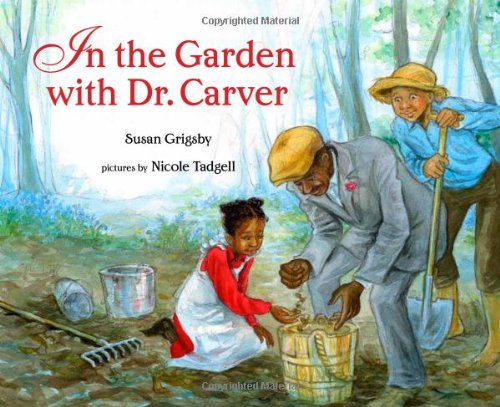
In the Garden with Dr. Carver
$12.22
By Susan Grigsby

WE GOT $100,000 IN FEDERAL USDA FUNDING FOR FARM TO SCHOOL!

Monday, November 23, 2015
USDA Farm to School Funds Will be Used to Bolster Child Nutrition Programs

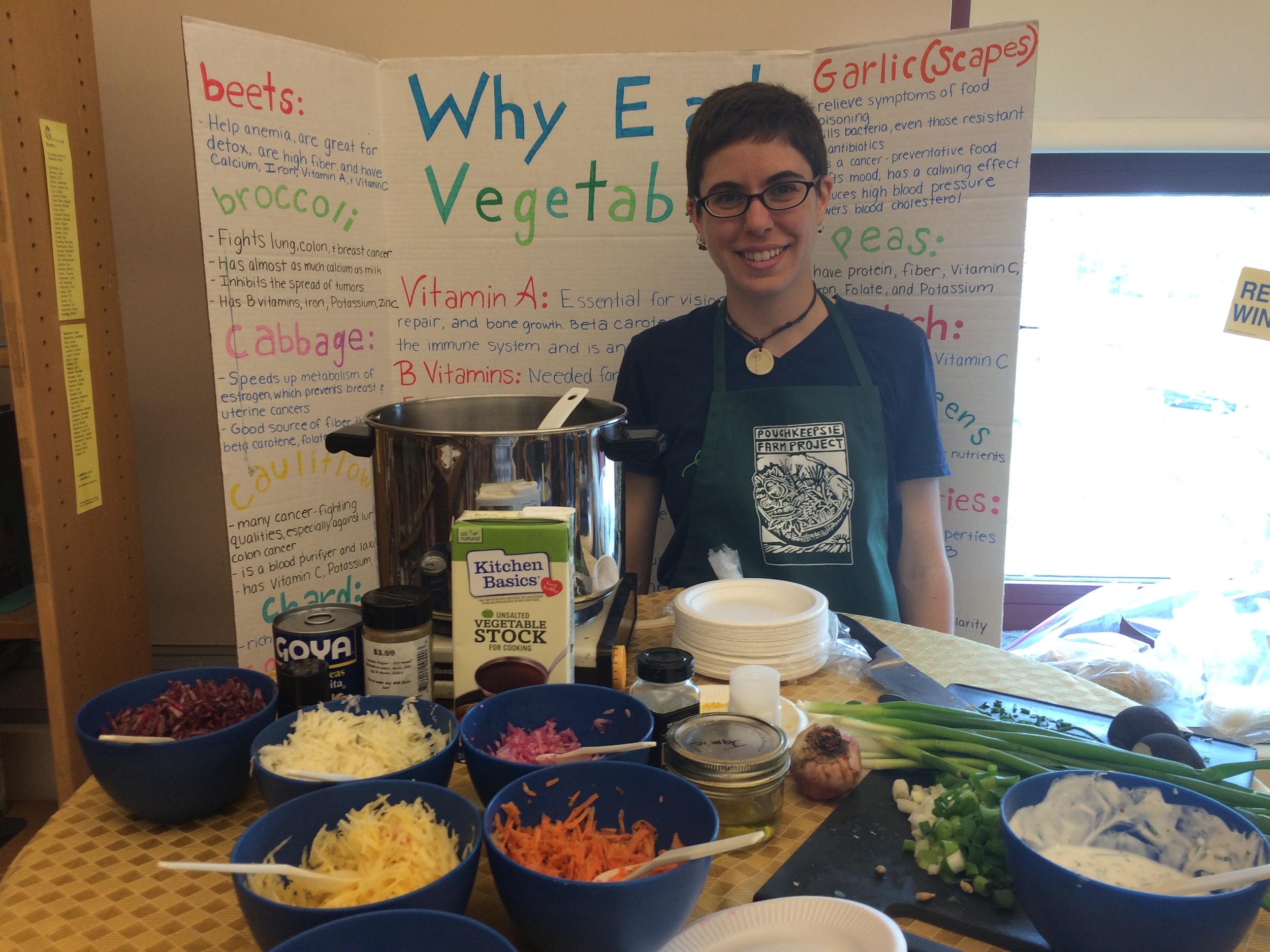
Poughkeepsie, N.Y. – U.S. Senators Charles Schumer and Kirsten Gillibrand today announced $100,000 in federal funding for the Poughkeepsie Farm Project. The funding allocated through the U.S. Department of Agriculture’s (USDA) Farm to School Grant Program was created to increase local foods served through child nutrition programs, teach children about agriculture, and develop schools’ and farmers’ capacities to participate in farm to school programs. The Poughkeepsie Farm Project will foster Poughkeepsie City School District students’ understanding of the local food system and help develop fresh produce in the region during in-class cooking workshops focused on vegetables, through taste tests in the school cafeterias, and engagement in experiential learning on field trips to its 12-acre urban farm. Poughkeepsie Farm Project will train and support district educators in school gardening through its professional development program.

 “It is essential our children learn the value of healthy eating at a young age,” said Senator Schumer. “Not only will this federal funding allow the Poughkeepsie Farm Project help students at the Poughkeepsie City School District access nutritious foods, but the meals will also be locally sourced. This means both our local farmers and our kids benefit – making it a win-win for New York’s agricultural industry and the community as a whole.”

“We need to make access and serving healthy food at our schools a priority,” said Senator Gillibrand, the first New York Senator to serve on the Senate Agriculture Committee in nearly 40 years. “By investing in nutrition initiatives for our schools, we are not only ensuring kids are eating nutritious food, we are also creating opportunities for our local farmers. Through these additional resources the Poughkeepsie Farm Project will be able to expand their ability to reach more schools with local products.”

“We are so honored and thrilled to be recognized for our Farm to School collaborative success and this chance to continue building on that foundation to make local food and agriculture an ongoing and prioritized part of the Poughkeepsie student's experience,” said Lee Anne Albritton, Executive Director, Poughkeepsie Farm Project. “This award will also help us to broaden our impact by continuing to train Poughkeepsie teachers in our Using Gardens to Teach program so that they can teach academic content through school gardens.” 

“The Poughkeepsie Farm Project is a model of collaboration in the farm-to-school field through their educational programming and strong partnership with the City of Poughkeepsie School District,” saidBob Dandrew, Director of the Local Economies Project. “They have built a solid foundation in their community with teachers, food service professionals, students, and parents, which has supported a measurable expansion of healthy food access in the district.  This USDA grant provides a wonderful opportunity to further root the program throughout the district and community.”

Farm to school programs are one of the many tools and resources USDA offers to help schools successfully serve healthier meals. The Healthy, Hunger-Free Kids Act of 2010 authorized and funded USDA to establish a Farm to School Program in order to strengthen or develop new partnerships, collaboration between eligible schools, nongovernmental and community-based organizations, agricultural producer groups, and other community partners to school programs that improve access to local foods in eligible schools.

Here's the Thing About July

Farmer Anne's Thoughts About That Tough Month

I always advise other farmers to refrain from making big decisions in July.  I have told enough friends this piece of advice that it has begun to make its way back to me.  “Anne, you know what you say, you should never make big decisions during the month of July.”  Why, you ask?  July is an interesting time as a farmer.  You started sowing seeds in the greenhouse during the end of February.  You have been going full force (ish) for five months, and have another five months of steady work ahead of you.  Often times the weeds have taken over (though, I must say, Poughkeepsie Farm Project is a miraculously almost weed-free farm, go team!).  The heat is making certain crops jump for joy (tomatoes and melons), and other crops hang their head in defeat (lettuce, brassicas, and the sweaty farmers themselves).  There has been enough time for a few diseases and insects to do some real damage on certain crops.  The true bounty that is the months of August and September hasn’t quite kicked in yet.  You are waiting on the tomatoes and peppers to ripen up, as you pick cucurbits all day long, leaving your arms scratched and you palate craving sweet.  Farmers can be a little tired, worn out, maybe even a little discouraged in July.  

But, here’s the thing about July.  It’s a GREAT time to bite into that first watermelon.  To taste the first sungold of the season.  To make your first bouquet of the year.  To “hug it out,” (as I say), with your crew after you finish planting the last bed of brassicas on plastic (which is possibly one of the most frustrating tasks for this farmer).  To sit and catch up with a friend in the blueberry bushes, nibbling away as you chat.  To take time to jump into cold bodies of water.  To sit after work and gaze at your yard for half an hour, doing nothing but watching, being, seeing.  

This leads me to one of my favorite quotes, which I feel is one of those saving graces, an important reminder for all of us, especially for farmers during the month of July.   The following is an excerpt from Annie Dillard’s book 'Pilgrim at Tinker Creek'.  

When I was six or seven years old, growing up in Pittsburgh, I used to take a precious penny of my own and hide it for someone else to find. It was a curious compulsion; sadly, I’ve never been seized by it since. For some reason I always “hid” the penny along the same stretch of sidewalk up the street. I would cradle it at the roots of a sycamore, say, or in a hole left by a chipped-off piece of sidewalk. Then I would take a piece of chalk, and, starting at either end of the block, draw huge arrows leading up to the penny from both directions. After I learned to write I labeled the arrows: SURPRISE AHEAD or MONEY THIS WAY. I was greatly excited, during all this arrow-drawing, at the thought of the first lucky passer-by who would receive in this way, regardless of merit, a free gift from the universe. But I never lurked about. I would go straight home and not give the matter another thought, until, some months later, I would be gripped again by the impulse to hide another penny.

It is still the first week in January, and I’ve got great plans. I’ve been thinking about seeing. There are lots of things to see, unwrapped gifts and free surprises. The world is fairly studded and strewn with pennies cast broadside from a generous hand. But—and this is the point—who gets excited by a mere penny? If you follow one arrow, if you crouch motionless on a bank to watch a tremulous ripple thrill on the water and are rewarded by the sight of a muskrat kid paddling from its den, will you count that sight a chip of copper only, and go your rueful way? It is dire poverty indeed when a man is so malnourished and fatigued that he won’t stoop to pick up a penny. But if you cultivate a healthy poverty and simplicity, so that finding a penny will literally make your day, then, since the world is in fact planted in pennies, you have with your poverty bought a lifetime of days. It is that simple. What you see is what you get.

May we all recognize the many pennies in our lives.  The farm is rich with them these days.  

--Anne Eschenroeder (Assistant Farm Manager)
Are You Ready for Soup-A-Bowl?!!

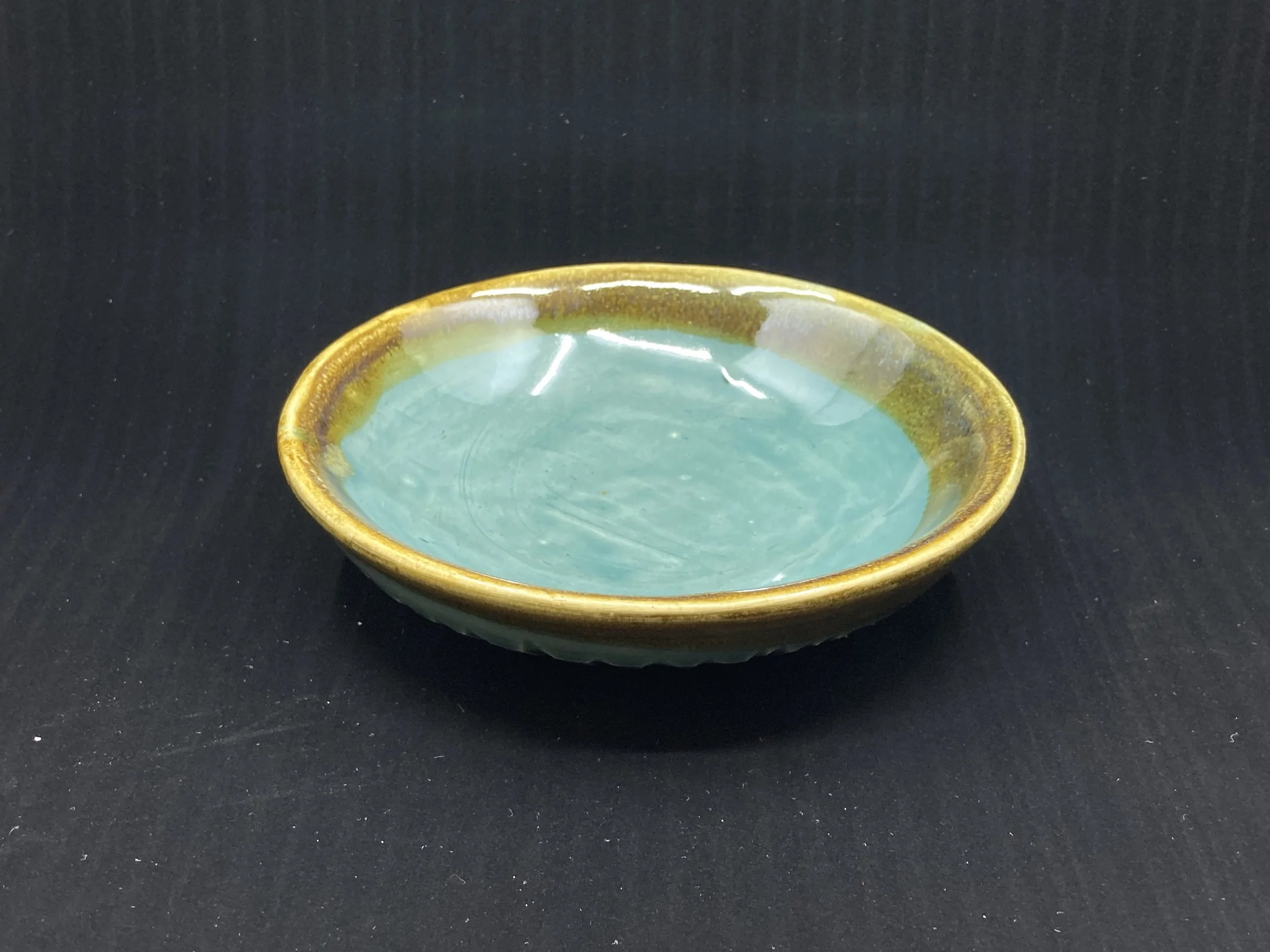
Learn how to make bowls for this year’s Soup-A-Bowl!

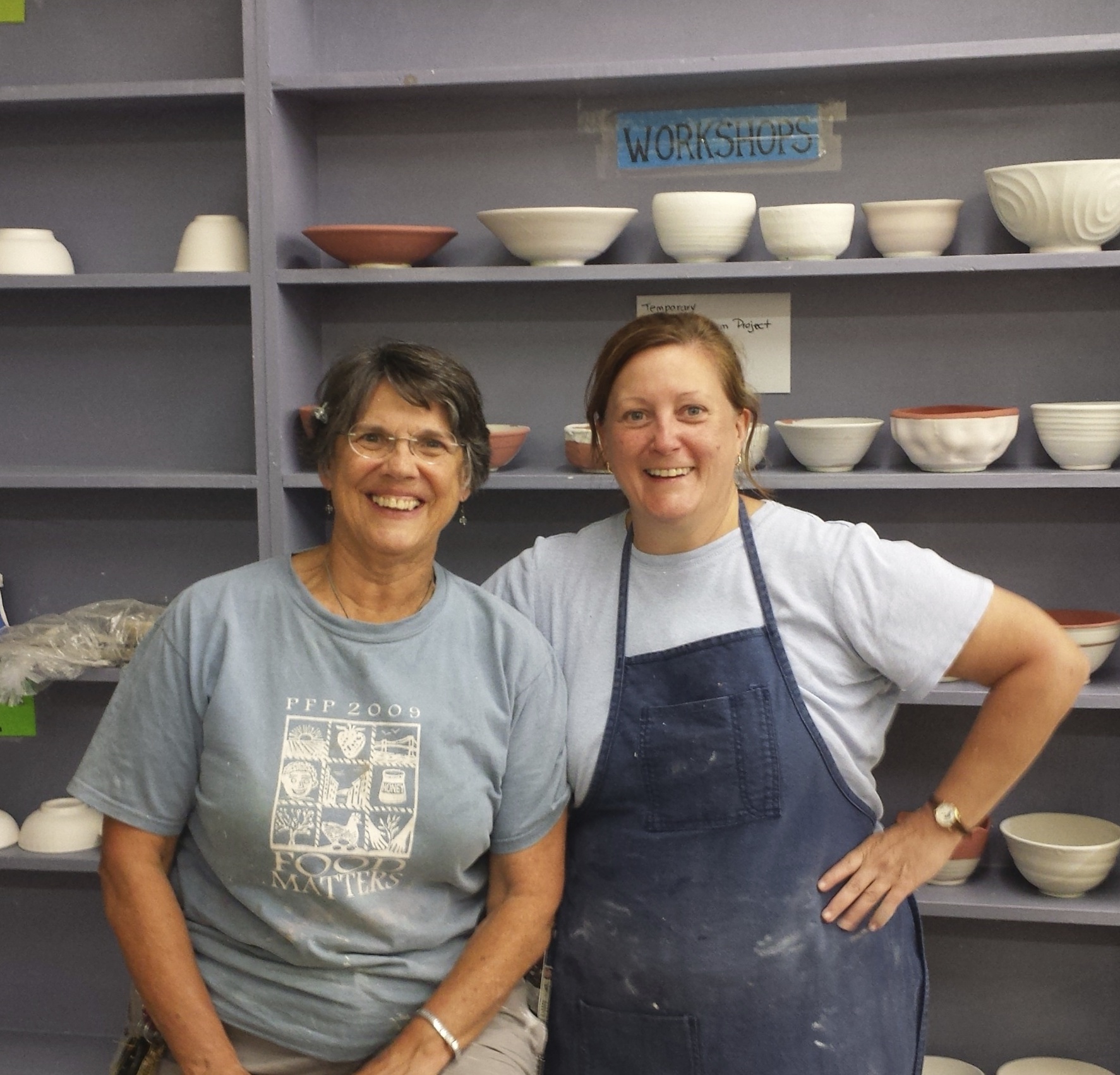
Register for a special 7-week PFP Soup-A-Bowl class at Art Centro where you can learn hand-building and throwing techniques for making beautiful bowls!

Classes are 6:00 to 8:30 p.m. Monday nights beginning July 6th through August 1st (minimum 6 registered participants). Register by calling 845-454-4525 or by email at ceramics.artcentro@gmail.com with “PFP Soup-A-Bowl” in the subject.

Cost for course for the 7-week course is $140 (normally $175); firing fees for Soup-A-Bowl bowls are covered by the PFP.

Art Centro is located at 485 Main Street in Poughkeepsie. Every Fall, the Poughkeepsie Farm Project and friends celebrate food and art in Poughkeepsie at the Alumnae
House at Vassar College. This fundraiser features soups, pottery, a raffle, silent auction, and live music. Proceeds benefit the charitable and educational programs of the PFP.
See farmproject.org for more information.

For experienced potters we are having a series of Soup-A-Bowl Bowl Making Parties!
Sundays from 3:30 to 6:00 p.m. May 10th and 17; June 21st and 28th; July 12th and 19th; August 23rd and 30th; September 13th and 20th. Also, for those potters with prior experience, Art Centro is graciously providing open studio time to make bowls
at your convenience. Please check-in with the studio assistant upon arrival. For open studio times, please check the ArtCentro website at artcentro.org or call 845-454-4525.

For more information about making or donating bowls for the Poughkeepsie Farm Project Soup-A-Bowl, contact Karl Kruszynski at 845-486-4048.

For more information about Soup-A-Bowl 2016 event click here

Sharing the Harvest

Sharing the Harvest

Food justice is the belief that everyone has the inherent right to access healthy, wholesome food.  It is the farm’s unequivocal priority to merge its agricultural bounty with those in our community who are food insecure, and foster a sustainable means for all of our neighbors to fill their plates with produce.  As with most deep routed historical challenges, there are many barriers to fostering a just food system, and Poughkeepsie Farm project is proud to be one of several organizations in the community striving towards this goal.

Herbs for Health and Healing

IMG_6738.JPG

On Tuesday March 10th, Beatrix Clarke, a Poughkeepsie school nurse and herbalist by calling, lead the first of two workshops at the Poughkeepsie Public Library on the benefits of Herbs for Health and Healing. Beatrix has been a member of Poughkeepsie Farm Project’s Community Supported Agriculture (CSA) program since 2000. She has been a huge contributor to maintaining PFP’s meditation garden, which is a plot on the farm used for the growth of medicinal herbs. In this first session, Beatrix spoke to a room of about 20 community members about the beauty of medicinal herbs. Clarke believes that, “Herbs work best as a holistic approach.” They are not a quick fix for a poor lifestyle. However when taken in conjunction with healthy choices, herbal remedies can have amazing benefits from aiding in the healing process to even possibly improving the state of chronic and metabolic disorders! It is widely know that culinary plants are especially good for aiding digestion, but Beatrix had some uncommon and unexpected benefits to share, like parsley being good for the urinary tract, cinnamon for blood sugar, and that cloves could feasibly be used for toothaches. Beatrix even reaffirmed the old superstition of garlic warding off vampires (or maybe it was just mosquitoes…). 

To conclude the evening, Beatrix had two herbal activities set up for the participants. Everyone came away from the evening with an increased appreciation for medicinal herbs as well as their own personally made tea bags with combinations of dried chamomile, valerian root, peppermint and sage. The participants also made small herbal pillows. Part two of the Herbs for Health and Healing workshops, Beatrix led participants in how to make their own herbal tinctures. Herbs for Health and Healing was a truly enlightening and fun event for anyone interested in learning how to more simply and naturally improve their lives.

By: Elana (Ellie) Marble, 2015 Education Intern

Youth Grow During Summer Farm Visits

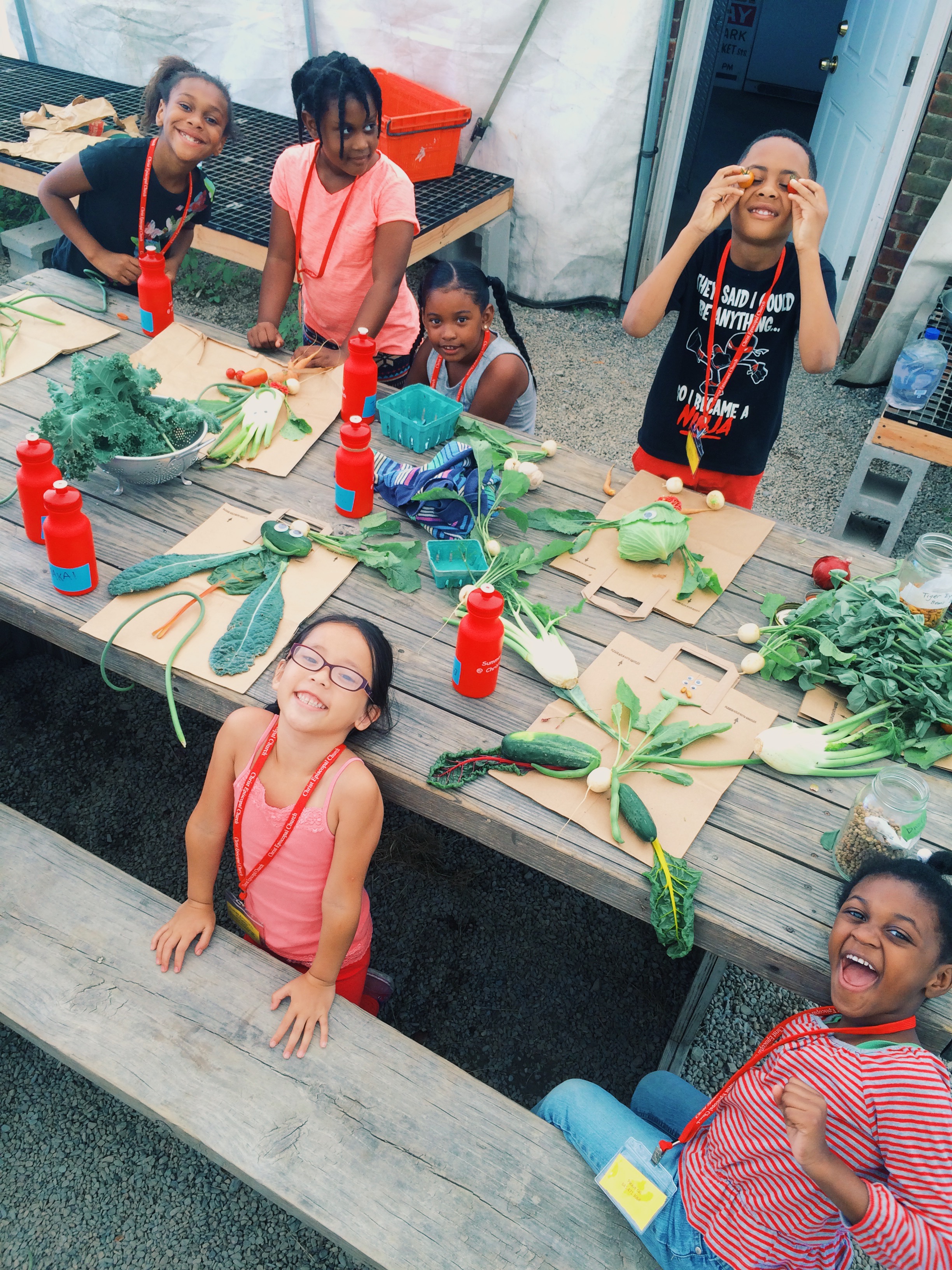
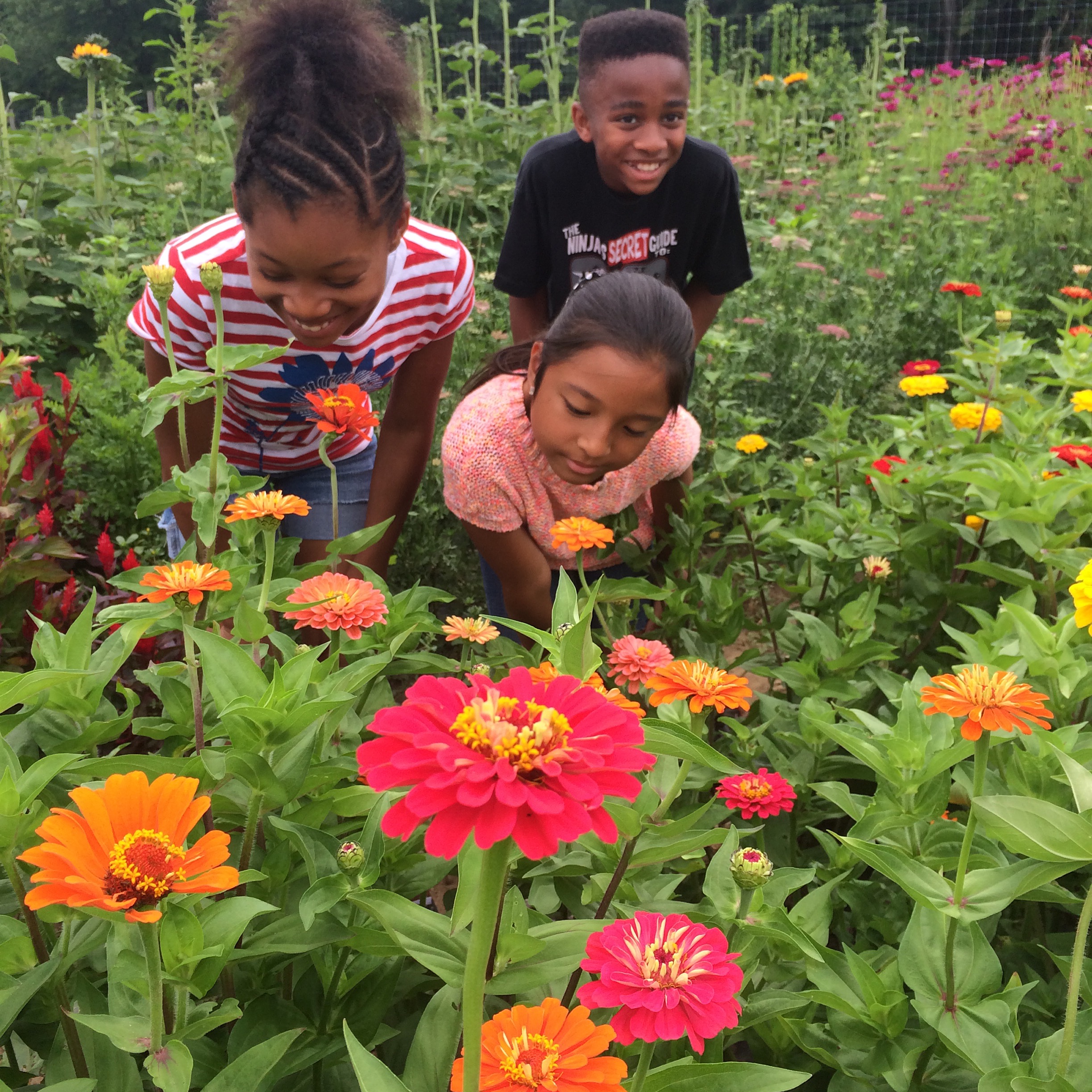
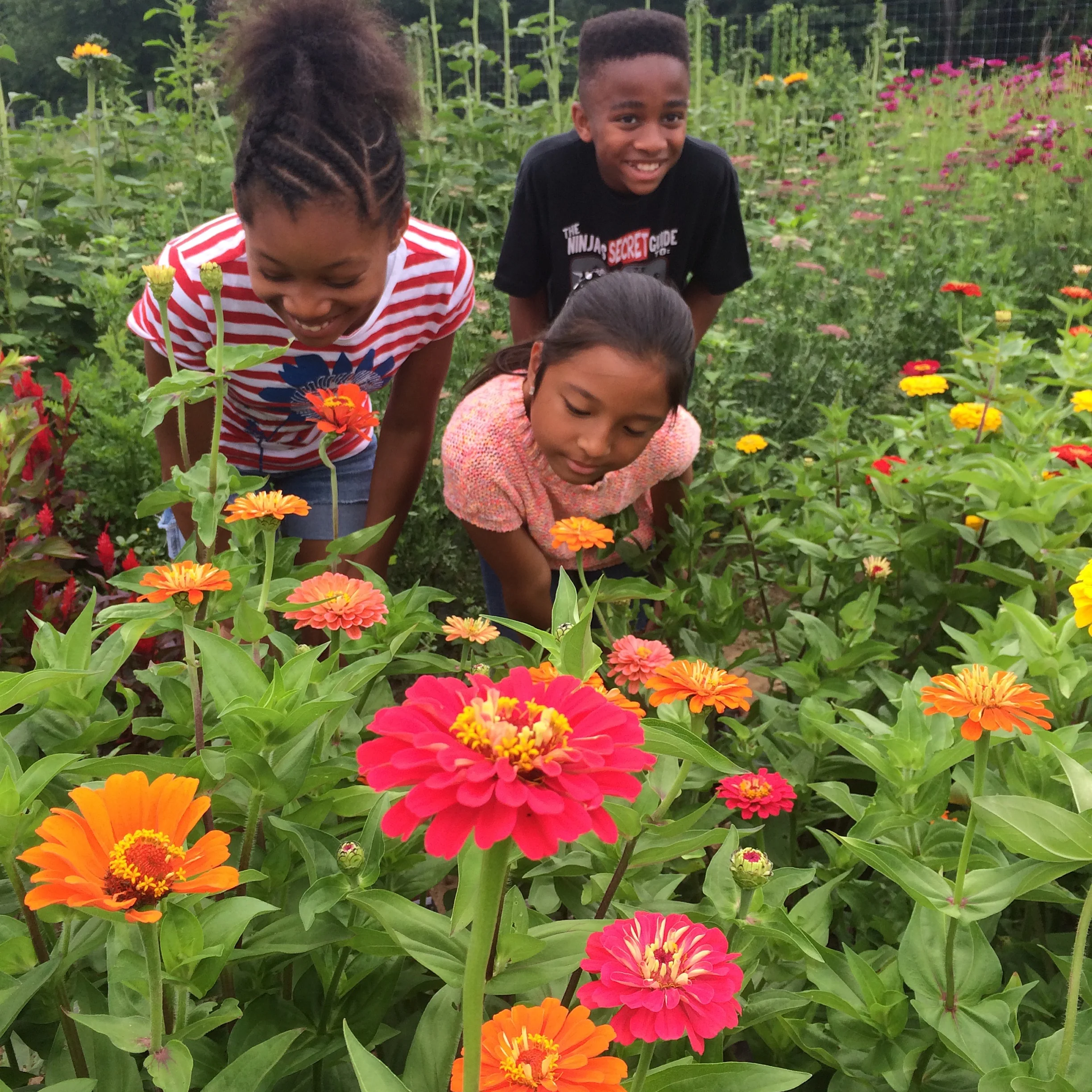
The month of July brought youth from several different summer camps and youth programs to the Poughkeepsie Farm Project for educational farm visits. The majority of the youth came from the City of Poughkeepsie and it was clear that the farm experience was having an influential impact.  The Summer Education Intern and I thoroughly enjoyed watching students’ uncertainty about nature transform into wonder as they interacted with the farm and its food bounty. The sessions included cooking workshops with farm-fresh vegetables; smelling and tasting herbs in the Meditation Garden; participating in the work that goes into producing a harvest; and teaching youth about the science behind growing food. 

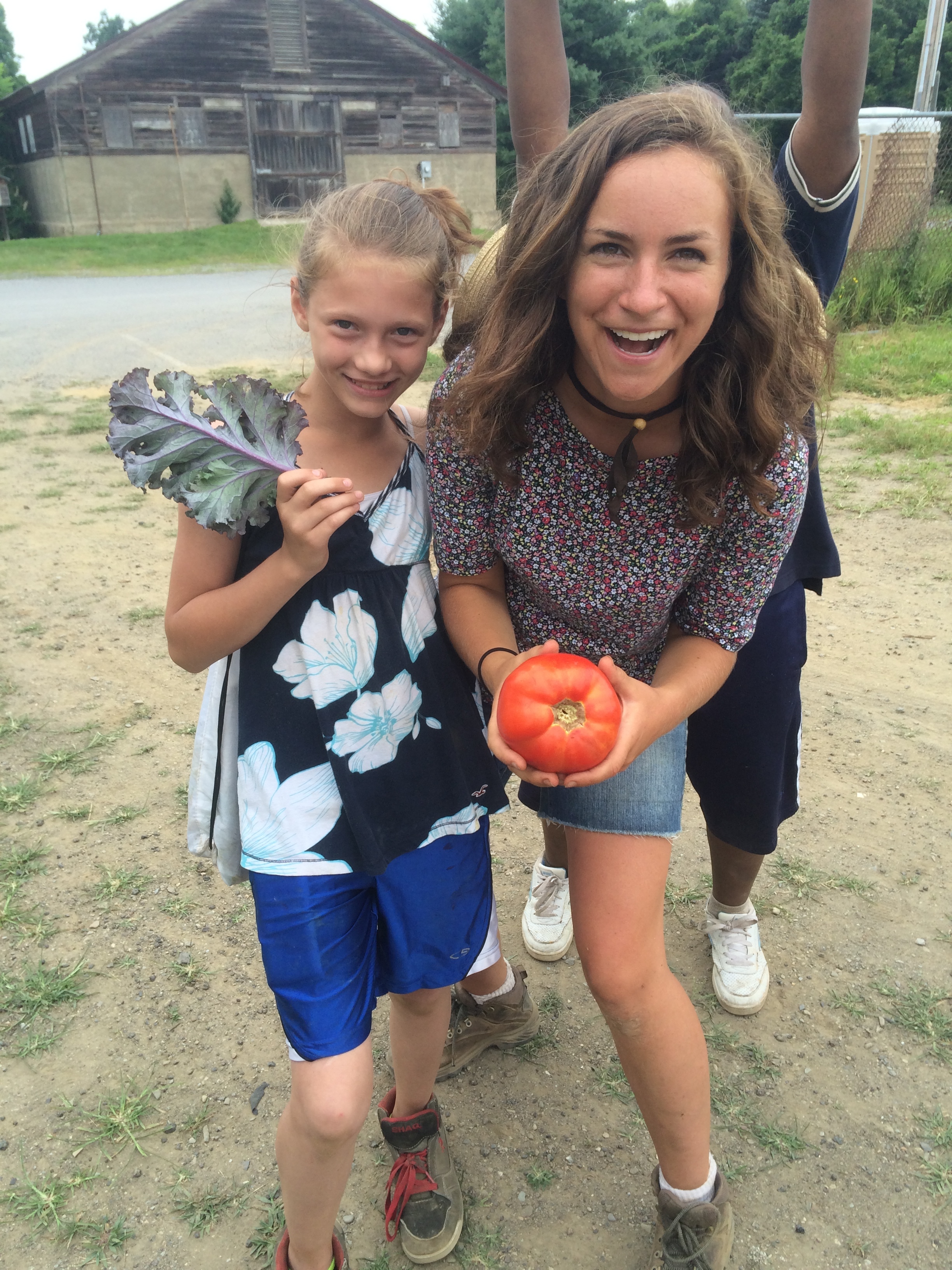
Again, many of the youth arrived to the farm with skepticism about gardening and farming. But throughout each visit, we saw and heard their rising excitement and appreciation. We have some favorite memorable moments.   While showing one group the Snapdragon flowers, the youth exclaimed in unison, “oooooOOOooooh” at its variety of vibrant colors. One said that we “make the best strawberries I’ve ever tasted!” While smelling fennel, another expressed, “I could sit here and smell this all day.” On the same visit, one student began the farm tour expressing distaste for most vegetables. But, one taste of the sugar snap peas changed that. She loved the peas, and from then on, the student eagerly tasted the plants we offered.


These are only some of the examples of the transformation that occurs when youth visit the Poughkeepsie Farm Project.   July also included off-site lessons at one of the local community gardens, the Fall Kill Partnership Gardens (FKPG) on North Hamilton Street. The Poughkeepsie Farm Project's education staff led garden tours and cooking workshops for youth participating in the REAL Skills program at the Family Partnership Center. The students from the REAL Skills program learned about community gardening and enjoyed tasting garden fresh produce.

As we worked with these groups, we also brainstormed ideas and reflected on how to best make use of the garden space as an educational tool.  It is our goal to develop the youth garden plot at FKPG as an educational space for teachers and community educators. This goal is part of our Growing City Seeds project, which aims to connect residents, youth and youth educators with community gardening, which will lay the necessary foundation for developing other community gardens in the City of Poughkeepsie. It is important to have these garden-based educational spaces in central locations, where educators can teach youth about biodiversity, plant ecology, nutrition, math and other academic subjects, especially for groups who are not able to make it out to the farm. 

Those who did have the opportunity to visit the farm gave us very positive feedback. Some students wished they could spend the entire day at the Poughkeepsie Farm Project, or never leave it at all. At the end of one of our sessions, we thanked the group for coming and for their help during a work project. In response, they said, “I think you gave more to us than we gave to you.” Many also expressed hopes to work at the farm in the future. We hope that they do!

By Julie DeLuca